
When it comes to exploring the great outdoors, observing wildlife, or enjoying a breathtaking view, having the right gear can make all the difference—and that’s where binoculars come in. Whether you’re a seasoned birdwatcher, a stargazer, or simply love taking in stunning landscapes, investing in a quality pair of binoculars enhances your experience and brings distant subjects into crystal-clear focus. In this blog post, we will guide you through the best binoculars on the market, highlighting key features, performance ratings, and what to look for based on your needs. So grab your gear and get ready to see the world in a whole new light!
Contents
- Top 5 Binoculars:
- 1. Canon 10x42L IS WP – Best Binocular Overall
- 2. Celestron Nature DX 12×56 – Best High-Magnification Binocular
- 3. Vortex Diamondback HD 8×28 – Best Compact Binocular
- 4. Celestron Skymaster 15×70 – Best Binocular for Astronomy
- 5. Vortex Triumph HD 10×42 – Best Budget Binocular
- Things to Cosider Before Buying a Binocular:
- Magnification Power
- Objective Lens Diameter
- Field of View
- Exit Pupil and Eye Relief
- Material and Build Quality
- Disadvantages of Roof Prism Binoculars
- Advantages of Porro Prism Binoculars
- Disadvantages of Porro Prism Binoculars
- Assessing Your Needs and Usage
- Testing Binoculars Before Purchase
- Considering the Weight and Portability
- Importance of Coatings
- Setting a Budget
- Finding Retailers and Online Options
- Reading Reviews and Getting Recommendations
- To wrap up
Top 5 Binoculars:
1. Canon 10x42L IS WP – Best Binocular Overall
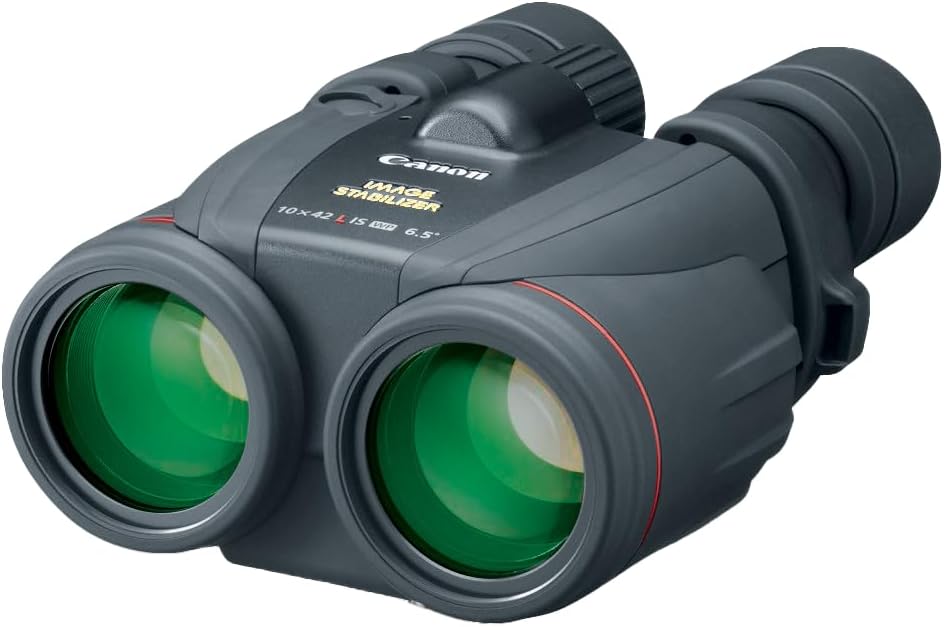
When it comes to handheld stargazing the Canon 10x42L IS WP binoculars are a choice. What makes these binoculars special is Canons Optical Image Stabilization (IS) technology. This innovative system uses motion sensors to detect your hand movements and a prism to adjust them by up to 0.8 degrees ensuring a view. With the push of a button you can say goodbye to shaky images and enjoy clear visuals, perfect for those long stargazing sessions that leave your arms feeling tired.
These binoculars boast high quality L series glass with Canons advanced anti reflective lens coating called ‘Super Spectra.’ This technology enhances transmission and reduces lens flare resulting in a bright crisp image with true to life colors. In our testing of the Canon 10x42L IS WP binoculars we were impressed by the imagery and absence of color fringing making them an excellent choice for observing stars with pinpoint precision.
It’s worth noting that the sophisticated IS system does require power so make sure to pack extra AAA batteries for your stargazing adventures. We did find room for improvement, in the accessories provided with these binoculars. The single piece lens caps tended to come off and the carrying case felt somewhat basic and flimsy given the premium price tag of the binoculars. Considering upgrading these accessories could enhance your experience.
Despite a few downsides these binoculars are still the top pick for observing the stars mainly because of their specialized lenses, for astronomy and the impressive image stabilization function they offer.
2. Celestron Nature DX 12×56 – Best High-Magnification Binocular

Are you in search of the pair of binoculars to start your wildlife observation hobby? The Celestron Nature DX 12×56 is a pick with an array of features at a reasonable price in a compact design. Featuring a remarkable 12x magnification and 56mm objective lenses these binoculars allow you to zoom in on subjects easily providing you with a detailed view of natures beauty.
One notable feature is the focusing distance enabling you to observe subjects that are nearby enhancing your overall viewing experience. Whether you’re watching birds in your garden or exploring wildlife during a hike the Nature DX 12×56 ensures that nothing escapes your sight.
While they may not be the binoculars available or completely free from color distortion their performance more than makes up for these minor issues especially considering their affordability. For novice astronomers the large 56mm objective lenses have an added advantage; they work well for sky observations delivering clear views of celestial bodies like the moon and stars.
When it comes to size the Nature DX 12×56 strikes a balance. They offer magnification while remaining lightweight and easy to handle making them an ideal companion, for various outdoor pursuits.If you’re looking for an affordable choice, for your binocular requirements the Celestron Nature DX 12×56 is a great option. You can enjoy the performance and durability you require without spending much money.
3. Vortex Diamondback HD 8×28 – Best Compact Binocular

If you’re looking for a priced, lightweight and small pair of binoculars that offer good quality the Vortex DiamondBack HD 8×28 is a strong contender. Weighing 14 ounces these binoculars provide clear optics and a great performance to weight ratio. With their build and comfortable grip typical of Vortex products they are a smart choice for budget conscious birdwatchers on the go.
During field tests the compact and light design of the DiamondBack HD 8×28 quickly impressed users compared to larger full size binoculars. They are easy to handle with one hand allowing you to take notes or make adjustments with ease. These binoculars strike a balance—not too big to be cumbersome but not too small to compromise your viewing experience. The 28mm objective lenses deliver performance in favorable outdoor conditions making them suitable for situations where reducing weight is more important than achieving maximum brightness and clarity.
However smaller objective lenses can sometimes result in reduced eye relief as an issue. When using the DiamondBack HD 8×28 while wearing glasses some users may notice darkening around the edges of their view due to limited eye relief, from the eye cups.
If this is something you’re worried about you might want to consider a model such as the Nikon Monarch M5, which offers better eye relief and a more comfortable viewing experience. Whether you enjoy birdwatching or just like to explore without carrying much gear the Vortex DiamondBack HD 8×28 is a great option that is both practical and affordable, without sacrificing quality.
4. Celestron Skymaster 15×70 – Best Binocular for Astronomy

If you’re in search of an option for observing the stars thats different from the usual telescope you might want to try using binoculars. The Celestron binoculars offer an budget friendly choice providing a solid 15x magnification. With this level of magnification you can easily view galaxies, various planets and intricate details on the moon.
In my experience it’s possible to handhold these binoculars but for optimal results its highly recommended to use a tripod. Luckily these binoculars include a tripod adapter that makes it simple to attach them to any standard tripod for a more steady and comfortable viewing experience.
There are advantages to using binoculars for observing the night sky. They tend to be lighter and more portable than telescopes making them ideal, for quick setups and impromptu stargazing sessions. Additionally their wide field of view makes it easier to locate and follow objects enhancing your overall observing experience.
It’s important to note that the success of your stargazing session largely relies on how stable your binocularsre. By making use of the tripod adapter you can significantly reduce hand tremors resulting in sharper images. This also allows you to observe for periods without straining your arms.
If you’re all set to elevate your stargazing adventure consider investing in the Celestron binoculars. With their magnification and convenient tripod adapter they provide an ideal mix of strength, mobility and ease of use enabling you to delve into the wonders of the night sky in a whole new way.
5. Vortex Triumph HD 10×42 – Best Budget Binocular

Are you thinking about investing in a high quality harness with the warranty of a top brand? Our testing team shared considerations when we reviewed the new Triumph HD entry level binoculars from Vortex. However the true revelation came when we peered through the lenses.
A key point to note is that the Triumph HD utilizes lower quality glass. It performed poorly in terms of brightness in low light conditions. Exhibited below average resolution. Testers observed optical issues such as blue color fringing, edge distortion and difficulties with focus clarity.
The diopter adjustment is somewhat rigid. There are concerns about the overall durability of the build. Despite this there are aspects to highlight as well. The tapered eyecups adjust smoothly while the focus wheel offers responsiveness. The texture, balance and design surpass expectations within its price range.
When it comes to value the inclusion of the GlassPak case and harness enhances the appeal of the Triumph HD as a worthwhile investment. This binocular could serve as an introductory optic for hunters, birdwatchers or shooting enthusiasts. While it may not withstand rough handling Vortex’s exceptional warranty and customer support provide reassurance.
These factors position the Triumph HD as a choice for gentle usage. Whether as an accessory for your vehicle or kept on standby, in your cabin. If you’re in the market, for budget binoculars that come with some extra features you might want to consider the Vortex Triumph HD.
Things to Cosider Before Buying a Binocular:
When buying binoculars it’s important to consider more than magnification. Your viewing experience can be greatly impacted by factors. Whether you enjoy birdwatching, sports or stargazing knowing what to look for is crucial. This guide offers information on different types, specifications and useful features to help you choose the right binocular that suits your specific needs. Lets explore the aspects that will help you select the ideal binocular, for your outdoor pursuits.
Magnification Power
Power is a critical factor when selecting binoculars as it dictates how close you can see your subject. Typically, binoculars come with a magnification range of 7x to 12x, meaning that objects will appear 7 to 12 times closer than with the naked eye. A higher magnification provides more detail but may also lead to image instability unless you have a steady hand or a stabilizing system.
Objective Lens Diameter
Factors such as light gathering capacity and brightness are determined by the objective lens diameter, measured in millimeters. A larger diameter lens allows more light to enter, enhancing visibility, especially in low-light conditions. Common sizes range from 32mm to 50mm.
Another crucial point about objective lens diameter is that it affects the overall weight and compactness of the binocular. While larger lenses provide greater brightness, they can also add bulk, making the binoculars cumbersome to carry during extended periods of use, such as birdwatching or hiking.
Field of View
Now, consider the field of view, which indicates how much area you can see at a specific distance. This measurement is typically expressed in feet at 1,000 yards, and a wider field of view is ideal for tracking moving objects or scanning landscapes.
Plus, a wider field of view generally enhances your overall viewing experience, allowing for easier location of subjects in motion like wildlife. A narrow field might limit your ability to spot and track quick movements, making it less suitable for activities like sports viewing or birdwatching.
Exit Pupil and Eye Relief
Diameter refers to the exit pupil size, which is calculated by dividing the objective lens diameter by the magnification power. A larger exit pupil ensures that more light reaches your eyes, enhancing visibility in low-light conditions. Eye relief represents the compatible distance between your eye and the eyepiece, which is crucial for comfortable viewing.
It’s worth noting that sufficient eye relief is particularly vital if you wear glasses, as it allows for optimum viewing without straining your eyes. Adequate eye relief also reduces the chances of any obstruction or discomfort during long observation sessions.
Material and Build Quality
With the varying terrains and conditions people often encounter while using binoculars, the material and build quality matter significantly. Look for features like rubber armor coating and waterproof or fog-proof qualities that offer better durability and protection against rugged use.
Buying well-made binoculars can lead to a significant return on investment, as they are likely to withstand wear and tear over the years, ensuring that you don’t need to replace your binoculars frequently. Look for reputable brands that provide warranties, giving you additional peace of mind regarding your purchase.
Disadvantages of Roof Prism Binoculars
An important consideration is that Roof Prism binoculars can often be more expensive than their Porro counterparts, especially if you are looking for high-quality optics. Additionally, some models may provide a narrower field of view, which may not be ideal for tracking moving subjects.
Plus, the complexity in the optical design of Roof Prism binoculars can sometimes lead to reduced depth perception. This might affect your overall viewing experience, particularly in dynamic settings or when observing three-dimensional landscapes. It’s crucial to weigh these factors against your specific usage needs.
Advantages of Porro Prism Binoculars
While Porro Prism binoculars are bulkier, they offer a wider field of view and better depth perception than Roof Prism models. This makes them a great option for activities such as birdwatching or hunting, where understanding the spatial relation of objects is vital.
Binoculars in this category often come with a more cost-effective price point, which means you can find high-quality options without breaking the bank. Additionally, their design allows for larger lenses, which can enhance light-gathering ability for better visibility in low-light conditions.
Disadvantages of Porro Prism Binoculars
Advantages of Porro Prism binoculars include their bulkiness and weight, which can make them less convenient for carrying long distances. Moreover, their open-frame design can make them more vulnerable to damage from environmental elements like dust and moisture.
Binoculars of this type may require additional care when storing or using them in rugged environments. Their sensitivity to environmental conditions might limit their usability in certain scenarios, which is an necessary drawback to consider if you plan on using your binoculars frequently outdoors.
Assessing Your Needs and Usage
Your choice of binoculars should align with how you plan to use them. Consider whether you will be birdwatching, stargazing, or attending sporting events, as these activities have different optimal specifications such as magnification, field of view, and objective lens diameter.
Testing Binoculars Before Purchase
Your best chance at selecting the perfect pair of binoculars is to test them out in person. Visit a store equipped with various models, and take the time to get a feel for their weight, focus, and clarity. Pay attention to how comfortable they are to hold during extended use.
Understanding which features matter most to you will help in your testing process. Factors such as the ease of focusing, the clarity of the image, and even how the binoculars fit in your hands can significantly affect your experience. Try adjusting the eyecups and focusing mechanisms to ensure they meet your expectations.
Considering the Weight and Portability
Any binoculars you choose should be comfortable to carry and use for extended periods. Assess how often you will be transporting them and whether you need lightweight options or can handle a bit more weight for greater optical performance.
Purchase a pair that strikes a balance between portability and performance. Heavier models may offer better optics, but if you plan on hiking or traveling frequently, a lightweight option may be more practical. Consider a carrying case or strap that provides additional comfort and convenience during transport.
Importance of Coatings
You should pay attention to the coatings on the lenses, as they can profoundly affect image quality. Quality coatings can enhance light transmission, reduce glare, and improve contrast, ultimately resulting in a clearer and brighter view.
It is important to choose binoculars with fully multi-coated lenses for the best performance. These coatings help ensure optimal brightness and clarity, especially in low-light situations. Without proper coatings, you may find the viewing experience lacking, particularly when observing distant objects.
Setting a Budget
Any responsible buyer should establish a budget before delving into the world of binoculars. Think about how much you are willing to invest based on your usage frequency and requirements.
Setting a budget will not only help you narrow down your options but also keep you from overspending. Binoculars can range from affordable to premium prices, and knowing your limits will guide you in finding a high-quality pair that meets your needs without breaking the bank.
Finding Retailers and Online Options
Brands often have unique advantages over local stores, making it important to explore various options for purchasing your binoculars. Check online retailers, as well as local shops, for competitive pricing.
The combination of brick-and-mortar stores and online marketplaces gives you flexibility in finding the best deals. You can often compare prices, check availability, and read descriptions or specifications more easily online. Don’t forget to consider shipping costs if you go the online route!
Reading Reviews and Getting Recommendations
To ensure you’re making the right choice when selecting binoculars, pay attention to expert reviews and a community of users. Recommendations from fellow enthusiasts can provide insight into the performance and reliability of different models.
Reviews are invaluable when it comes to assessing the quality and functionality of binoculars. Look for reviews on trusted websites and forums where avid users share their experiences. Don’t hesitate to ask friends or family for their opinions, as personal recommendations can lead you to the perfect pair for your needs.
To wrap up
Before purchasing a pair of binoculars it’s important to think about factors like magnification, the size of the lens and the field of view. These aspects directly impact how you see things through the binoculars. Also think about how heavy they’re how durable they need to be based on what you plan to use them for—whether its birdwatching, hunting or looking at stars. Remember to check out the coatings, on the lenses and the quality of the optics because these can really improve how clear and bright your view is. By considering all these factors you can make sure that your investment matches your needs and preferences giving you a better experience outdoors.
Leave a Reply