
Finding the best cargo boxes can instantly transform a cramped, stressful car ride into a liberating family adventure. Stop fighting for legroom and finally pack everything you need without the hassle. We analyzed top-rated roof racks and carriers to help you maximize your storage space effortlessly. Ready to upgrade your travel experience? Here are the top picks that actually deliver on their promises.
Contents
- Top 5 Ski Gloves:
- 1. MCTi Ski Gloves
- 2. ihuan Winter Waterproof Ski Gloves
- 3. Tough Outdoors Ski Gloves
- 4. Odtmger Ski Gloves
- 5. SIMARI Ski Snow Gloves
- Things to Consider Before Buying a Ski Glove:
- Insulated Gloves
- Waterproof Gloves
- Touchscreen-Compatible Gloves
- Material Durability
- Fit and Comfort
- Style and Design
- Weather Conditions
- Intended Use
- Trying Gloves on Safely
- Advantages
- Storage Recommendations
- Conclusion
Top 5 Ski Gloves:
1. MCTi Ski Gloves

Everyday riders and weekend warriors can find everything they need with MCTi Ski Gloves: toasty, waterproof, and able to withstand severe use while still allowing them to use their phones. Your fingers will remain warm and dry throughout lengthy descents, storms, and lift rides thanks to the low-bulk 3MTM ThinsulateTM C40 insulation that retains heat without making your hands feel awkward. A waterproof TPU insert aids in moisture wicking.
The durability will be most apparent in key areas. Pole plants and board carries are made easier with the help of the PU leather that reinforces the area between the thumb and index finger. The superior anti-slip PU palm provides a better grip on bindings, tow ropes, and chair bars, and it endures everyday use without slipping.
Maintaining contact is simple. Thumb, index, and middle finger touchscreen-ready panels allow you to take photos, answer calls, and view trail maps without exposing skin to the cold. The wrist leashes that come with the gloves prevent them from falling off the lift or getting blown away on windy ridgelines when you remove them.
The fit and comfort are completed by a plush lining, sturdy fasteners, and a slim silhouette that minimizes bulk, allowing you to confidently adjust the zippers and buckles. Only wash by hand and let air dry for maximum durability.This glove from MCTi will be your go-to from the first chair to the last lap thanks to its dependable warmth, genuine waterproofing, long-lasting grip zones, and fingertips that are compatible with phones.
2. ihuan Winter Waterproof Ski Gloves
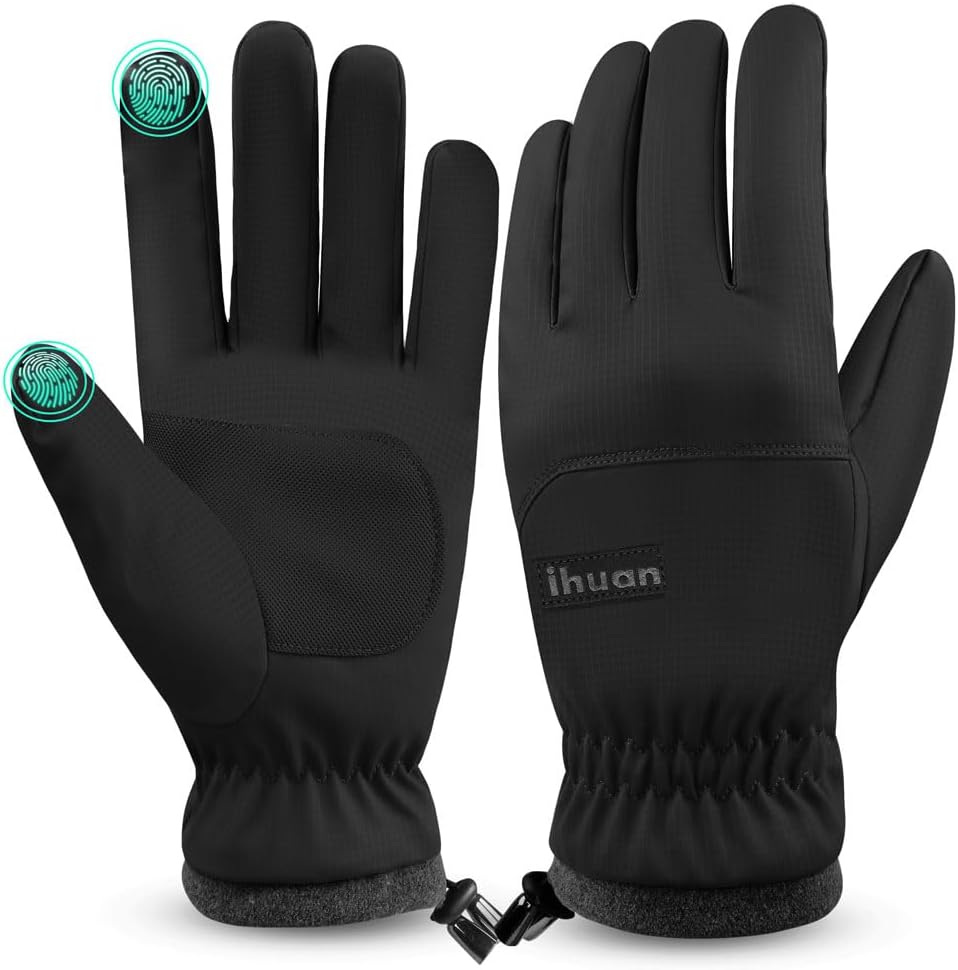
The ihuan Winter Waterproof Ski Gloves are perfect for frequent usage in cold weather; they are warm, capable, and won’t slow you down. With an adjustable windproof cuff, you can keep out snow and drafts, and the combination of a skin-friendly waterproof shell and a thick, cozy fleece interior keeps you warm. Not recommended for extremely cold or hot weather, but great for ordinary outdoor work on average winter days (20°F to 32°F).
Feeling how supple and airy they are, you will love them. No matter what you’re doing outside—shoveling the driveway, commuting, cycling, running errands, hiking, camping, skiing, walking the dog, or any number of other outdoor chores—the low-bulk design will keep your hands moving naturally. An anti-slip palm made of long-lasting microfibre leather and anti-slip silicone improves grip and resistance to abrasion, allowing you to hold a phone or steering wheel securely.
Without exposing your chilly hands to the elements, you can manage your calls, messages, music, and quick photos with touchscreen-ready fingertips. You can easily create a snug, windproof seal by adjusting the cuff, and the fit is ambidextrous.
Hand wash the gloves with a gentle detergent at room temperature after turning them inside out for easy care. The interior waterproof membrane is delicate and can be damaged if you wring them too hard. Lay them flat to air-dry in a cool, well-ventilated area away from direct sunlight; don’t use a tumble dryer or other high-heat drying methods.For those cold winter days when you need something that will keep your feet warm, a firm grip, and real touchscreen convenience—these are the ones to get.
3. Tough Outdoors Ski Gloves

If you’re looking for ski gloves that offer a perfect blend of comfort, traction, and long-term use, go no further than Tough Outdoors Ski Gloves. Stay focused on your line instead of being chilled by the wind thanks to SUMMITLOFT insulation, which provides reliable heat. Whether you’re racing downhill, climbing steep inclines, or just playing about in the snow, your hands will stay dry thanks to the combination of a water-and wind-resistant nylon shell and a breathable TPU membrane.
Perfect for gripping shovels, ski poles, or the throttle of a snowmobile, the double-faced synthetic leather palm enhances grip and abrasion resistance while providing a secure feeling of control. The exterior layer of strengthened all-nylon can withstand lift rides, tree runs, and gear hauling season after season.
Easy and dependable fit. Stay toasty in inclement weather with this adjustable wrist buckle that lets you fine-tune the hold. A drawstring closure keeps out drafts and spindrift. Whether you’re shopping for yourself or your gang, you may find a reliable pair thanks to the unisex design.Attention to detail: this item’s fabric is nylon, its gloves are imported, and it requires minimal maintenance. To maintain the insulation and membrane function, wash by hand only and let air dry.
These are the go-to winter boots for skiing, snowboarding, and any outdoor activity that requires reliable warmth, breathable protection from the elements, and surefooted traction. When new snow and cold weather are in the forecast, these are the gloves you’ll reach for.
4. Odtmger Ski Gloves

When it’s chilly and wet out on the slopes, your little one will stay toasty and in control with a pair of Odtmger Ski Gloves. For a close, heat-saving fit, start by referring to the size chart. If you’re indecisive, go with the smaller size.A splash-resistant outside shell, a waterproof TPU layer, and a double-thick locking thermal fleece inner work together to keep warm while allowing moisture to escape. In other words, even when playing hard, your hands will remain drier and more comfortable. Your child may enjoy skiing, sledding, or snowball fights without worrying about their chilled fingers thanks to these gloves that are made for extreme cold, suitable for temperatures ranging from -22°F to -4°F.
There is more to weather protection than just insulation. During stormy laps or slushy lift trips, a waterproof PU insert helps prevent meltwater from seeping in, while a composite five-layer structure resists biting wind and drifting snow.For smaller hands, grip is especially important. Your little one will have a firm grip on snow shovels, sled handles, bike grips, and ski poles thanks to the non-slip PU leather palm’s improved grip and abrasion resistance. Save time and effort by storing your pass, ID, key, or small hand warmer in the convenient zipper pocket.
A gentle hand wash is all that’s needed to maintain the insulation and waterproofing, and then let it air dry. These thermal gloves are an excellent choice for any winter activity, thanks to its ambidextrous design, high visibility Black+Orange color, and kid-friendly durability.
5. SIMARI Ski Snow Gloves

Simari Ski Snow Gloves are the best option for everyday cold weather if you’re looking for lightweight gloves that keep you warm and fully connected. So you can stay warm while texting, scrolling, answering calls, tapping a smartwatch, or using your car’s GPS—the redesigned unisex design combines conductive fingertips with a sensitive touch layer.
As soon as you put them on, you’ll feel at ease. Warmth is retained with an elastic cuff and flannel interior, and a natural, close-fitting fit is achieved by the stretchy 95% polyester/5% spandex shell. The balanced insulation keeps hands comfortable throughout winter, early spring, and late fall, whether you’re commuting, exercising, driving, or taking short walks.
You get both grip and control as a bundle. You can confidently handle a stroller, phone, trekking poles, exercise equipment, or steering wheel thanks to the silicone parts that cover the palm and fingers, which also provide traction and abrasion resistance. Ideal for nighttime rides and early morning jogs, the reflective highlights on the back of the hand enhance visibility in low light.
You can easily clean and prepare them for your next adventure because they are machine washable. Anyone who enjoys spending time outside will appreciate the thoughtful present of these high-quality, imported shoes.
If you’re looking for a fashionable, warm glove that’s perfect for cycling, jogging, driving, hiking, workouts, and more—with a dependable touchscreen, a firm grip, and all-day versatility—then go no farther than SIMARI.
Things to Consider Before Buying a Ski Glove:
There’s more to picking the right ski glove than warmth alone; you should assess insulation type, waterproofing and breathability, fit and dexterity, cuff length and compatibility with your jacket, grip and reinforcements, and whether liners or touchscreen capability suit your needs; prioritize performance for the temperatures and terrain you ski to ensure comfort, safety, and longevity.
Insulated Gloves
You’ll find either synthetic fills like PrimaLoft (often 60-200 g/m²) or down with 550-800 fill power; synthetics retain loft when wet and dry faster, while down offers superior warmth-to-weight for backcountry cold days. Choose around 100-150 g synthetic for all‑mountain use, and look for removable liners so you can adapt warmth without changing the outer shell.
Waterproof Gloves
You want a waterproof membrane (Gore‑Tex, eVent, or proprietary inserts) plus fully taped seams and a durable water‑repellent (DWR) outer layer; those features block melt and waterfall, and keep liners dry. Prioritize gloves with removable liners or breathable membranes if you perspire heavily, since trapped moisture reduces insulation performance on long lift rides and all‑day sessions.
Maintenance matters: reapply wash‑in DWR after 10-20 outings, air liners to dry fully each night, and inspect seams for wear-reproofing and proper drying can extend waterproofing and avoid soggy gloves that lose loft and warmth.
Touchscreen-Compatible Gloves
Many models use conductive leather or silver‑nylon patches on the thumb and index; performance varies with temperature and pad size, and capacitive screens may fail below −10°C or with heavy liners. If you rely on navigation apps or quick photos, test the responsiveness in a store, and prefer gloves with clearly marked conductive zones on both hands for ambidextrous use.
For best real‑world results, pair touchscreen gloves with thin conductive liners or gloves that let you expose just the fingertip-this preserves insulation while ensuring reliable taps and swipes when you need them on the mountain.
Material Durability
You’ll find full-grain goat or cow leather handles abrasion and cold degradation better than thin synthetics; leather palms often last 3-5 seasons with regular use, while Cordura or nylon shells resist tearing and weigh less. Check for double stitching, reinforced palms, and Kevlar patches in high-wear areas; bonded seams and taped membrane interfaces reduce water ingress. Brands that publish lab-tested abrasion scores or guarantee repairs give clearer indicators of long-term value.
Fit and Comfort
Measure both hand length and palm circumference against brand charts and try gloves on with any thin liners you plan to wear; a slight 5-10 mm gap at the fingertips preserves circulation without sacrificing dexterity. You want pre-curved fingers and stretch panels for pole grip, a secure wrist closure to keep out snow, and a cuff length that fits over or under your jacket depending on your preference for gauntlet or short-cuff styles.
When testing on-snow, simulate tasks like fastening buckles, using zippers, and gripping poles-if you can’t perform fine movements within 30 seconds, the gloves are too bulky. High-performance race gloves purposely trade insulation for thinness and tactile feedback, whereas freeride gloves add loft and 150-220 g equivalent synthetic fill; choose based on how often you’ll need fingertip precision versus pure warmth.
Style and Design
You’ll notice styles range from low-profile leather to technical gauntlets with reinforced cuffs; bright colors and reflective trims improve visibility in whiteout or dusk conditions, while matte neutrals pair better with urban kit. Consider integration features like leash loops, wrist hooks, and removable liners, and check that palm patterns provide consistent grip across wet rope, metal buckles, and ski poles.
Design choices also affect maintenance and resale: leather requires regular conditioning and may darken, while textile shells tolerate machine washing but can fade. If you value brand repair networks, look at Hestra, Black Diamond, or Dakine models with replaceable liners or patch programs to extend usable life and protect your purchase.
Weather Conditions
You should match insulation and membrane to expected temps: below −10°C consider 150-200 g fill or mittens; between −10°C and 0°C 80-150 g is typical, and above 0°C opt for 40-80 g with high breathability. Pay attention to waterproof ratings-5,000 mm suits casual use, 10,000-20,000 mm for wet, heavy snow-and carry a thin merino liner for variable spring days.
Intended Use
If you stick to resort runs, choose gloves with reinforced palms, moderate insulation (80-140 g), and good wrist retention; park riders need flexible fingers and extra abrasion protection. When touring, prioritize lightweight, highly breathable gloves (often softshell or lightweight membrane) that pack small and dry quickly during multi-hour ascents.
For long backcountry tours of 4-8+ hours you should carry two pairs: a breathable, light glove for uphill work (120-180 g, high MVTR) and a warmer, more waterproof pair for descents and breaks; pairing liners (3-5 g) lets you tune warmth without extra bulk.
Trying Gloves on Safely
Try gloves with the exact liners and base layer you’ll use; gloves often fit a size up with liners. You should have about 1 cm of free space at the fingertip when fingers are flat, and be able to form a fist without seam pressure. Test grip by holding a pole for 30 seconds and zipping a jacket to check cuff overlap and mobility.
Measure your palm circumference across the knuckles (exclude thumb) and compare to the brand chart-example: 19-20 cm = Small, 21-22 cm = Medium, 23-24 cm = Large. Inspect seams and touchscreen patches for stiffness, and ask to wear both gloves for at least five minutes to spot pressure points or insulation hot/cold spots before buying.
Advantages
You can match features to specific conditions: a 700‑fill down glove gives excellent warmth-to-weight for resort days, whereas a 60-120 g Primaloft liner keeps you moving in wet spring conditions. Gore‑Tex models often outperform basic waterproof shells in extended wet use, and leather palms substantially improve pole control. Combining a gauntlet cuff with removable liners gives both snow protection and quick drying after a 6-8 hour day on the mountain.
Storage Recommendations
Store gloves completely dry in a breathable bag or on a shelf at room temperature (10-20°C) and relative humidity below ~50% to prevent mildew; avoid sealing damp gloves in plastic. Keep them uncompressed-don’t vacuum-pack-and separate pairs to avoid color transfer or abrasion.
Before long-term storage, ventilate gloves for 24-48 hours after use and stuff fingers with tissue or a soft cloth to retain shape; replace silica gel or moisture absorbers every 6 months and consider cedar blocks in the storage area to deter pests. Reapply DWR at season’s end if water no longer beads, and store liners inside gloves only when both are fully dry to prevent mold.
Conclusion
Drawing together, you should weigh warmth, fit, dexterity, waterproofing, breathability, and glove construction against your typical conditions and skiing style. Prioritize layers, wrist closures, and touchscreen compatibility, test the fit with ski pole grips, and choose reputable materials and brands to ensure comfort and performance throughout the season.
Leave a Reply