
Best Small Coolers are essential when you want cold drinks on hot day trips or have tight storage. Our experts tested top portable ice chests and compact coolers to find durable, long-lasting options that fit backpacks and trunks. You’ll feel thrilled when your drinks stay icy all day – a game-changing, must-have for every outing. We promise clear picks and simple buying tips to save you time and money. Read on for our top recommendations.
Contents
- Top 7 Small Coolers:
- 7: Coleman Chiller 9qt Portable Cooler
- 6: Igloo Tag Along Too 11 Qt Cooler
- 5: RTIC 15 Can Everyday Cooler
- 4: Titan by Arctic Zone Deep Freeze Zipperless Cooler
- 3: Engel UC13 13qt Drybox Cooler
- 2: YETI Roadie 15 Hard Cooler
- 1: Pelican 14 Quart Personal Cooler
- Things to Consider Before Buying a Small Cooler:
- Hard-Sided Personal Coolers
- Soft-Sided Portable Bags
- Thermoelectric and Electric Models
- Storage Capacity and Interior Dimensions
- Portability and Weight Distribution
- Benefits of Mobility and Space Efficiency
- Limitations in Volume and Long-Term Cooling
- Establishing a Budget Based on Material Quality
- Inspecting Latches, Seals, and Handle Durability
- Cleaning and Odor Prevention
- Proper Storage to Maintain Seal Integrity
- Conclusion
Top 7 Small Coolers:
7: Coleman Chiller 9qt Portable Cooler

The ideal ultra-cheap hard cooler for a solitary day trip is the Coleman Chiller 9qt.Overspending on coolers is common. You can use this one by yourself.Get this: nine quarts, which can be made up of four cans of ice with four pounds of weight or nine quarts of dry ice. Plenty to last a single individual all day.The following day will be chilly, so be sure to pack your TempLock foam insulation—it will keep ice for a full 24 hours.
Lastly: a loaded cooler can be moved with one hand thanks to its wide-grip bail handle and 2.9-pound empty weight.Lack of a shoulder strap is a drawback. Never set the lid on its side since it is only leak-resistant and not sealed. There is no drain plug.Ideal for: parents who like to eat their lunch alone and those who prefer to sit on the bleachers. Neither two-person nor lengthy carries are recommended.
6: Igloo Tag Along Too 11 Qt Cooler
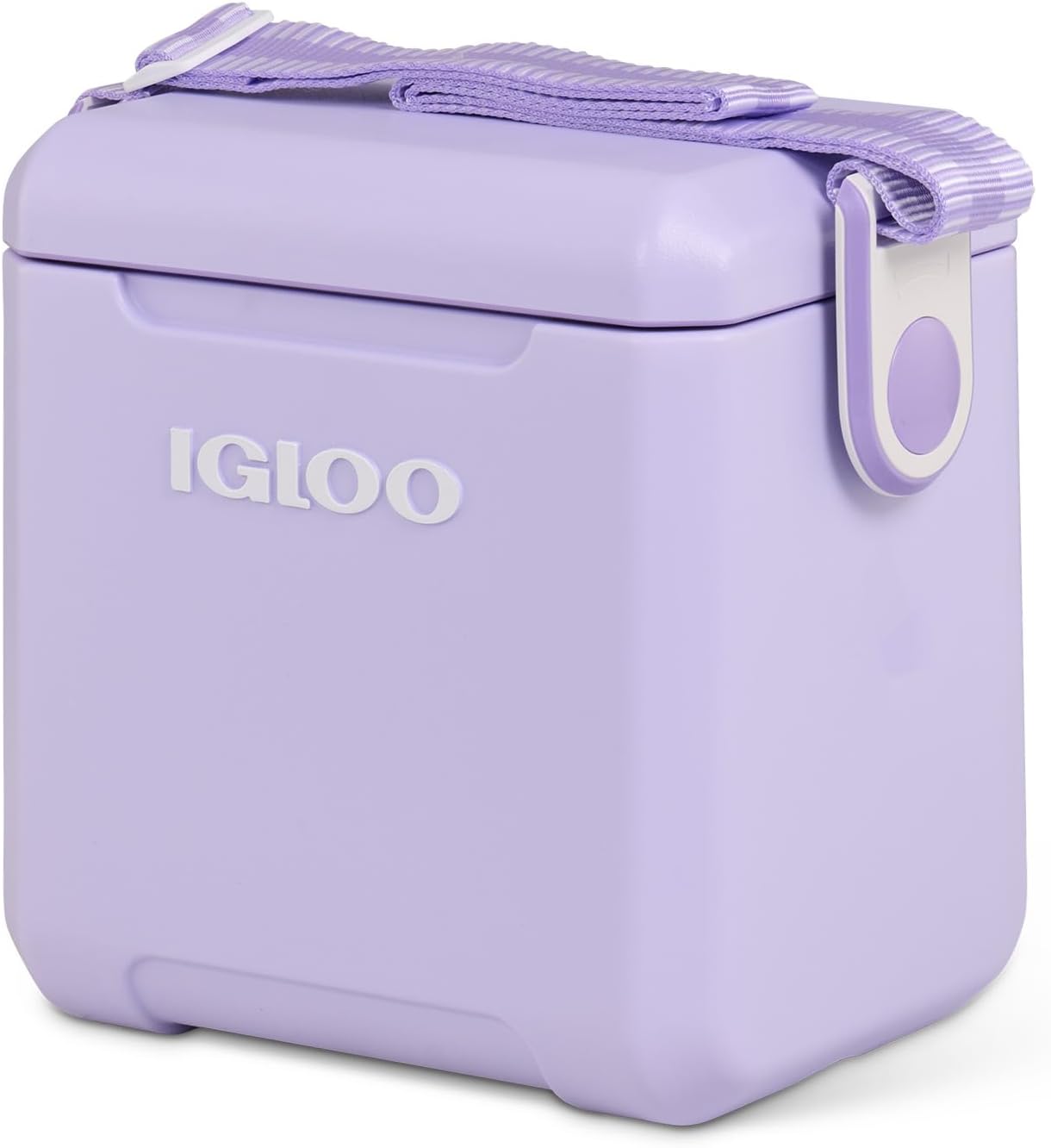
Among compact coolers, the Igloo Tag Along Too is ideal for transporting hard-sided beverages without using your hands.Your meal is safe in a hard shell, but you’ll have to hold onto it the entire way from the car.The first is a sturdy cooler with an adjustable crossbody strap, so you can walk the beach without using your hands.The next step is to secure the lid to an inner gasket on both sides so that it won’t leak while riding on your hip.
In conclusion, the tall interior keeps bottles upright, while the MaxCold insulation keeps ice for up to two days.Disadvantages: The group only has 11 quarts and 14 cans. Loaded, the strap digs in. Nothing ever flattens it.Those who park a distance from their seating area, festivalgoers, and beachgoers will love these. Big groups: not for you.
5: RTIC 15 Can Everyday Cooler

If you don’t have a designated spot for your cooler, the RTIC 15 Can Everyday Cooler is a great option.Regardless of how often you use them, rigid coolers take up valuable closet space. When it’s empty, this one vanishes.To begin with, it folds up tiny enough to go under a vehicle seat, under a desk, or even into a backpack when not in use.The next one is the lightest at 1.9 pounds when empty, and it is still closed-cell foam insulation.
Last but not least, there are a number of outside pockets that keep your keys, phone, and cooking utensils dry, even while you’re not in the cold compartment.Negative: sandwiches placed on ice tend to have their sides squashed. All of the hard coolers here trail ice retention.Check the zipper.Ideal for: people who are constantly on the go, live in apartments, or have limited space for storage solutions.Avoid: food that will stay cold for more than a day or food that is easily crushed.
4: Titan by Arctic Zone Deep Freeze Zipperless Cooler

The greatest option for quick, one-handed access is the Titan Deep Freeze Zipperless.One failure is shared by all soft coolers. The zipper just won’t budge, and your hands are already full. Titan got rid of it.To start, there’s a zipper-free flip-open cover that opens with a simple press. No snagging ever occurs when using a single hand.The next step is to instal a HardBody liner within the soft shell to prevent the walls from sagging and the meltwater from remaining inside.
One last thing: the SmartShelf divider is built right in, so your sandwiches and fruit won’t get soaked by the ice.Drawback: The shelf can soon fill up with 16 cans. You can’t put too much into the stiff lid. Denser than a fluffy satchel.Perfect for: picnics and the beach, families distributing drinks, and people who are sick of dealing with zippers. Do not use for: confined spaces.
3: Engel UC13 13qt Drybox Cooler

The Engel UC13 is the ideal compact cooler for individuals who have experienced a single leak in a rear seat.Coolers typically retain cold air. Water may easily penetrate very few of them. The UC13 forms a two-way seal.The first is the airtight gasket seal, which allows it to float weightlessly on a truck bed when positioned on its side.After that, the lid will stay put thanks to the stainless steel locks and self-stopping hinges.
At long last, a dry-storage tray that hangs from the ceiling will keep your valuables safe from the ice. A drybox and a cooler.Con: For the price, 13 quarts isn’t a lot. Surpassing the soft picks in weight, it weighs 3.5 pounds empty. There are some scratches.Those who tend to boats, worksite staff, and truck beds will find this to be the most optimal option. People who aren’t serious about buying things should not buy this.
2: YETI Roadie 15 Hard Cooler
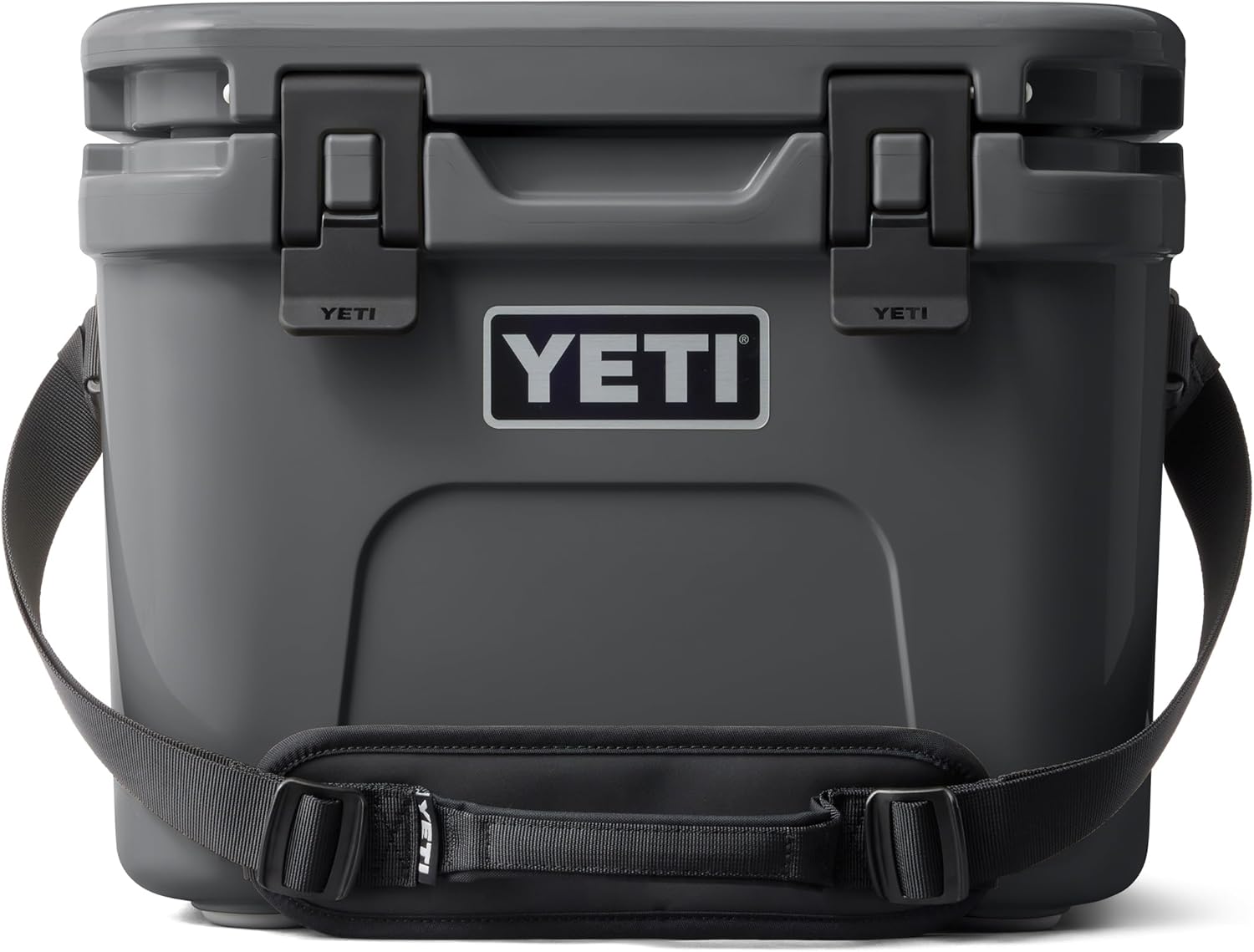
The YETI Roadie 15 is the top choice among premium options for individuals who are rigorous with their equipment.The hinges and handles of cheap coolers break, and you have to buy a new one every few summers. That is ended by the Roadie.To start, it has a rotomolded high-density polyethylene (HDPE) body, which is one solid piece of plastic with no weak points in the form of joining seams.Secondly, it can hold cold for a whole day and can accommodate wine bottles; it can ingest 22 cans or 16 pounds of ice.
In conclusion, the DoubleDuty strap may be transformed into a grip handle, and its BearFoot feet prevent it from sliding on a deck.Negatives: about 12 pounds empty, making it weighty even before loading. My most expensive option here. No drain plug suitable for this size.Most suited for: contractors, hunters, and boaters who frequently replace their coolers. Should not be used by those who are not heavy packers or who have long carries.
1: Pelican 14 Quart Personal Cooler

In 2026, the Pelican 14 Quart will be the best little cooler because it does the most.Every single one of these coolers is just a box that can keep cold. The picnic was incorporated inside the lid by Pelican.One feature is the built-in cup holders on the lid, which may be used as a table when placed on its side. There is no sand in your drink.Additionally, there is a stainless steel bottle opener that has a built-in magnet that can snag bottle caps. Rather than fading into the grass, the cap remains in place.
Third, to keep sandwiches and chips away from melting ice, there’s a detachable dry tray and an organizer that snaps into the lid.Finally, the actual 14-quart interior and press-and-pull locks make it the fourth best in its class.Cons: It has a huge footprint for a personal cooler and weighs 8.3 pounds when empty. Will not come with a shoulder strap.Ideal for: days at the beach, picnics, camping tables, and those who only need a single item to carry. Backpackers, this is not for you.
Things to Consider Before Buying a Small Cooler:
Insulation quality significantly impacts your cooler’s performance. Selecting the right model involves assessing size, portability, and durability. Understanding these imperative factors ensures your investment meets your specific needs, whether for tailgating, camping, or day trips.
Hard-Sided Personal Coolers
These coolers feature a rigid exterior, which provides excellent insulation. Designed to withstand the rigors of outdoor use, hard-sided options often maintain cold temperatures longer than their soft counterparts.
Soft-Sided Portable Bags
Characterized by their lightweight and flexible structures, soft-sided bags are perfect for casual outings and events. Their design allows for easy storage and mobility, making them a popular choice for picnics and beach days.
With various styles available, soft-sided portable bags can accommodate different storage needs. Many come with additional pockets and compartments, enhancing convenience for carrying snacks, utensils, and even drinks alongside your chilled items.
Thermoelectric and Electric Models
Thermoelectric coolers rely on electricity to maintain a consistent temperature, making them ideal for longer trips. These models are often quieter compared to ice-based alternatives, enhancing comfort during use.
Offering advanced cooling technology, thermoelectric and electric models require a power source, which can limit their portability. However, they excel in providing a reliable cooling option for road trips or tailgating events, especially when plugged into vehicle outlets.
Storage Capacity and Interior Dimensions
Evaluating the cooler’s storage space is crucial. Consider how many items you plan to store and their sizes. Smaller coolers may suffice for day trips, while larger ones cater to multi-day excursions.
When deciding on storage capacity, remember to account for both food and beverages. A cooler with a volume of 30 quarts might comfortably hold enough food for a weekend picnic, while a 50-quart model can accommodate supplies for a larger gathering. Prioritize a cooler that provides flexibility in arrangement, allowing for easy access to your crucials.
Portability and Weight Distribution
Cooler weight influences how easily you can transport it. A well-balanced design ensures that heavier items rest near the base, making it manageable to carry, even over longer distances.
Choosing a portable cooler means considering its handles and wheels. A model with padded handles enhances comfort during carry, while wheels provide additional options for transport. For example, an 80-quart cooler might need two people to lift, making wheels a practical feature for large loads, especially at tailgates or campsite setups.
Benefits of Mobility and Space Efficiency
Compact coolers excel in portability, making them ideal for day trips or picnics. Their lightweight design allows for easy transport, fitting comfortably in car trunks or even backpacks. Space efficiency is another advantage, as these models occupy minimal room, ensuring you have more space for other necessarys during your travels.
Limitations in Volume and Long-Term Cooling
Volume limitations can be problematic when trying to accommodate multiple items. While compact coolers are designed for convenience, they typically offer less internal space than larger options. Long-term cooling is another challenge, as these coolers may not maintain temperature for extended periods without regular replenishment of ice or cooling packs.
While compact coolers are suitable for short trips, their ability to maintain low temperatures over extended periods is often lacking. Users may find that ice melts quickly, requiring frequent replacements to keep items cold. For longer outings or larger gatherings, relying solely on a compact cooler may not meet your cooling needs effectively.
Establishing a Budget Based on Material Quality
Setting a budget involves balancing cost with the longevity of materials. Higher-quality coolers tend to focus on durable construction, which could mean less frequent replacements.
Durability often correlates with material type and build quality. For instance, rotomolded coolers, while pricier, typically last much longer than their cheaper counterparts, making them a worthy investment for frequent use.
Inspecting Latches, Seals, and Handle Durability
Examining latches and seals aids in ensuring effective temperature retention. High-quality handles contribute to ease of transport and overall user satisfaction.
The integrity of latches and seals influences performance. A sturdy latch will secure the lid in place, preventing accidental openings that compromise cooling efficiency. Selecting coolers with robust handles also enhances transportability, allowing for easy movement across various terrains, which can be critical during outdoor events.
Cleaning and Odor Prevention
Cleansing your cooler after each use helps prevent odors and bacteria growth. Mild soap and water suffice for routine cleaning. Ensure all compartments dry thoroughly before reassembly to avoid unwanted smells and potential mold. Regularly inspecting for any debris can further enhance cleanliness.
Proper Storage to Maintain Seal Integrity
Storing your cooler in a cool, dry location prevents damage to seals. Direct sunlight can warp seals over time, leading to reduced effectiveness. Choose an area free from extreme temperatures and humidity fluctuations to preserve the cooler’s performance.
Consider investing in a storage bag or covering for added protection. While not in use, keep the cooler upright to prevent any internal components from shifting. Ensuring that no heavy items press against the cooler maintains the integrity of the seals, ultimately supporting optimal insulation properties. Following these practices enhances longevity and performance when you’re ready to put the cooler back to work.
Conclusion
Prior to purchasing a small cooler, consider key factors such as size, insulation quality, and portability. Assessing your specific needs will lead to a better investment. A thorough evaluation ensures the chosen model effectively meets your requirements for both everyday use and special occasions.
Leave a Reply